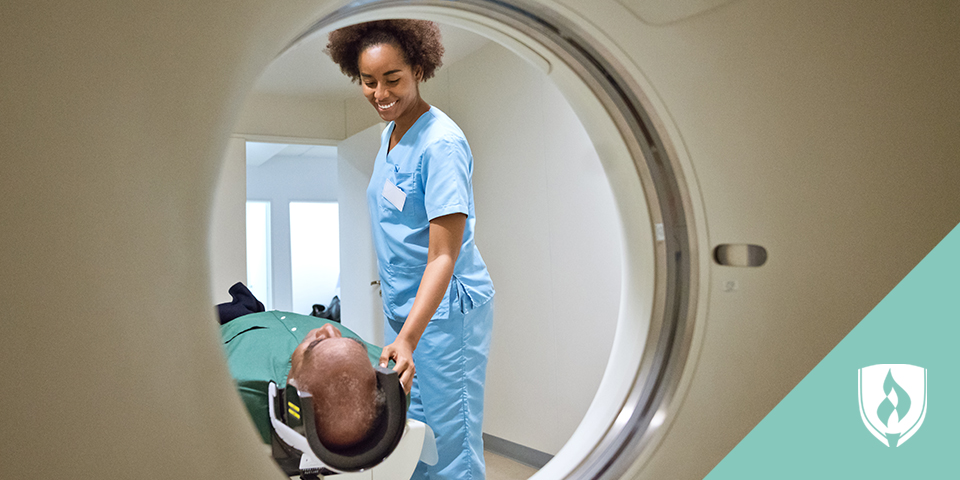
What You Need to Know About the New Mammogram Guidelines

New cases in breast cancer, the second most common cancer in women,每年影响超过230,000名女性,killing around 40,000 each year.
Enter the mammogram: a screening tool that uses low-energy x-rays to examine the breasts for cancerous masses. This testing procedure gained acceptance as a screening tool in the mid-1960s and has been proven to减少乳腺癌患者的死亡量第三.
美国癌症协会最近更新了他们的建议,就妇女应该获得乳房X线照片的频率和何种时期。好奇这对你意味着什么?请继续阅读,了解有关此生命保存程序的更多信息以及可用于测试的选项。
What is a mammogram?
Mammographyis one of the best ways doctors can identify breast cancer at an early stage before a mass is large enough to be felt. This procedure is usually coupled with a manual breast exam completed by one’s physician. It’s also recommended that women give themselves self-breast exams on a regular basis.
乳房X XMIGROM过程涉及乳房成像技术专家使用机器来压平患者的乳房组织以获得更多偶数成像。然后技术学家然后将乳房的图像转移到X射线膜上,并且放射科学家解释了发现。如果发现可疑质量,可以订购活组织检查。
What are the new recommendations?
For years, the American Cancer Society recommended that women over the age of 40 receive mammograms annually. As of October 2015, they are now advocating for a slightly more complicated model.
Thenew guidance advised from the American Cancer Societyis as follows:
- Women should undergo regular screening mammography starting at age 45.
- Women 45 to 54 years of age should be screened annually.
- 55岁以上的女性应该scre过渡ening every other year or have the opportunity to continue screening annually.
- Women should have the opportunity to begin annual screening between the ages of 40 and 44 years.
- 只要他们的整体健康状况良好,女性应该继续筛查,并且他们的预期寿命为10年或更长时间。
- Clinical breast examination is not recommended for breast cancer screening among average-risk women at any age.
这种新的变化更接近了这方面的建议U.S. Preventative Services Task Force,声称,女性可以安全地等到they’re 50 before beginning to receiving regular annual mammograms.
值得注意的是,这位法律顾问是对乳腺癌平均风险的女性,并且没有患有患病的亲密家庭成员。那些知道他们在遗传突变的可能性更高可能性的人应该比通常推荐的那样更快地进行筛查。
Why did the recommendations change?
研究人员的团队已经发现,乳房X光检查经常检测到肿块,导致治疗可疑组织 - 即使质量毕竟不癌症。这意味着成千上万的女性已经过度治疗癌症,他们实际上并没有提及不必要的情绪创伤。
One study found thattumors were more aggressive and fast growingin women diagnosed with breast cancer before menopause. After menopause, they grew more slowly, therefore making it plausible for older women to be screened every other year.
The main reason the recommendation changed is to lessen the frequency of treating benign masses. Another, arguable more-important motive was to avoid the anxiety triggered by receiving that dreaded phone call to find out further testing needs to be conducted due to an abnormal finding.
How is the medical community reacting to the changes?
Many worry that the new change will affect insurance coverage, therefore causing women who would have gotten screened in their forties to wait until an older age. The debate has become so heated among medical professionals that Congress passed legislation in order to overruleUSPSTF guidelines,这是关于政府健康保险的政策的理由。
"I don't feel there should be any cause for anxiety with the changes."
Some doctors are pushing back在the new recommendations as well because they are resolved that the most important factor in breast cancer detection is catching it at an early stage. By pushing the suggestion of screening to an older age, many doctors argue that this eliminates a large number of cancer detections that could save lives.
To add to the confusion, some are even questioning the value of mammograms as a whole due to the negative findings of studies. Others don’t feel it’s a big deal at all.
“I don't feel there should be any cause for anxiety with the changes,” says Francine Mullings, breast health advocate and senior breast care radiographer at伦敦帝国学院. “It’s certainly more important that women become breast aware and to follow up on worrying changes.”
What does this mean for you?
As with all things in the medical world, it’s important to advocate for yourself. According to many involved in the heat of the debate, there simply isn’t enough data to provide solid evidence for the best age to start having mammograms or evidence on how often one should get them.
女性应该与他们的医生讨论what the best option is for them. All cases depend on the individual and her family history, as well as what she feels most comfortable doing. So when in doubt, speak with your doctor!
Take health seriously
As technology and treatments evolve, there are bound to be changes here and there regarding best practices in healthcare and preventive care. The best thing you can do is stay informed and seek the advice of your provider.
The fact that you’re taking the time to read up on new mammogram guidelines suggests that you’re invested in your health and well-being. But not everyone is as proactive in practicing healthy habits. Learn how you could create a career out of educating and empowering others to take their health seriously. Check out our article:What is it Really Like Being a Community Health Worker?